Water in your home? Start here.
Is there water on your floor right now, and you are not sure what to do first? Take a breath. You are in the right place.
Totallyanswered Restoration is a referral service. We connect homeowners in Philadelphia, PA with independent water damage restoration providers in our network. The providers do the work. We help you reach them.
Here is the simple path. Fill out the short request form and tell us what happened. A local provider can then review your situation, explain the steps, and give you a written quote. You decide whether to move forward. There is no obligation.
Why does speed of action matter? Because wet drywall, flooring and framing do not stay a small problem. Moisture soaks into wood and insulation, and mold can begin to grow if things stay damp. Acting early helps protect your home and its value.
Ready to get moving? Request an estimate and see which providers are available near you.
Request an Estimate
Prefer to talk first? Request a callback to check provider availability.
How It Works
What does water damage restoration actually involve?
It is far more than mopping up. A provider finds where the water came from, removes standing water, dries the structure, and checks for hidden moisture. Then they clean, sanitize, and help you plan any repairs.
Who does the work?
Independent local providers do. Totallyanswered Restoration does not send its own crews and does not perform repairs. Think of us as the link between you and a provider in our network, so you spend less time searching and more time solving the problem.
How does the referral work?
You send a request. A provider reaches out, asks a few questions about the damage, and can arrange a visit. You get a written quote before anything starts. Availability varies by provider, so Request a callback to check provider availability if you would like to talk it through.
Why does doing it right protect your home?
Hidden moisture is the quiet threat. If it stays inside a wall or under a floor, it can lead to rot, stains, odors and mold. Those problems tend to surface later, when you try to sell or when an inspector looks closely.
Proper drying and clear records help protect what you have built. Many providers can also help document the damage with photos and notes, which can be useful if you file an insurance claim. Check your policy, since some policies may cover sudden damage.
Serving Philadelphia and Beyond
Do homes in the Greater Philadelphia area face their own kinds of water trouble? They do. Cold, snowy winters and freeze-thaw cycles can crack pipes and open small gaps in foundations. Spring snowmelt sends water toward basements. Coastal storms can push rain and rising groundwater into low spaces.
The homes matter too. Many houses here are older, with full basements and stone or block foundations. Multi-family buildings and Cape Cod style homes add their own twists, like shared walls, finished attics and tight crawl spaces where leaks can hide.
Providers in our network know these patterns. They can look at your home, find the source, and suggest a drying plan that fits the building, not a one-size template.
Not sure whether your address is covered? Send a request and we will point you to a provider who serves your part of the Greater Philadelphia area.
Request an Estimate
Provider coverage and availability vary, so a quick request is the easiest way to find out who can help.
Answers to Common Homeowner Questions
What should I do first when water gets in?
Stay safe. If water is near outlets or the electrical panel, stay out and ask a professional to check things. If it is safe, stop the source, move valuables up, and take photos. Then reach out to a provider.
Is this an emergency water damage repair job?
If water is spreading, soaking walls, or sitting in a basement, treat it as urgent. Many providers can respond quickly, though availability varies. Emergency water damage repair usually starts with water extraction and a moisture check.
What is structural drying?
Structural drying means pulling moisture out of the building itself, not only the surface. Providers use air movers and dehumidifiers, then measure moisture in framing and subfloors until readings look normal.
What about a flooded basement?
Flooded basement cleanup often includes pumping out water, removing soaked materials, drying, and sanitizing. Stone and block foundations can hold moisture longer, so careful drying matters.
How much does it cost?
Typical U.S. jobs can run from a few hundred dollars for a small, contained leak to several thousand for larger losses. Size, water type, materials and drying time all change the price. Always get a written quote.
Will insurance help?
Some policies may cover sudden damage, but coverage differs and slow leaks are often treated differently. Check your policy. Providers can often help document damage for a claim.
How do I choose a provider?
Ask about their process, what the quote includes, and how they handle moisture checks. Compare written quotes, not just numbers. A clear plan is a good sign.
Can I wait and see?
Waiting is risky. Damp materials can grow mold and warp. Asking early costs little and may save your floors, walls and resale value.
Request Your Estimate
Have a question, or ready to take the next step? Send a short request and tell us what happened. A local provider from our network can follow up with next steps and a written quote.
Request an Estimate
Would you rather talk it through? Request a callback to check provider availability in your area.
Request an Estimate
You can also write to contact@totallyanswered.living with any questions about how Totallyanswered Restoration works.
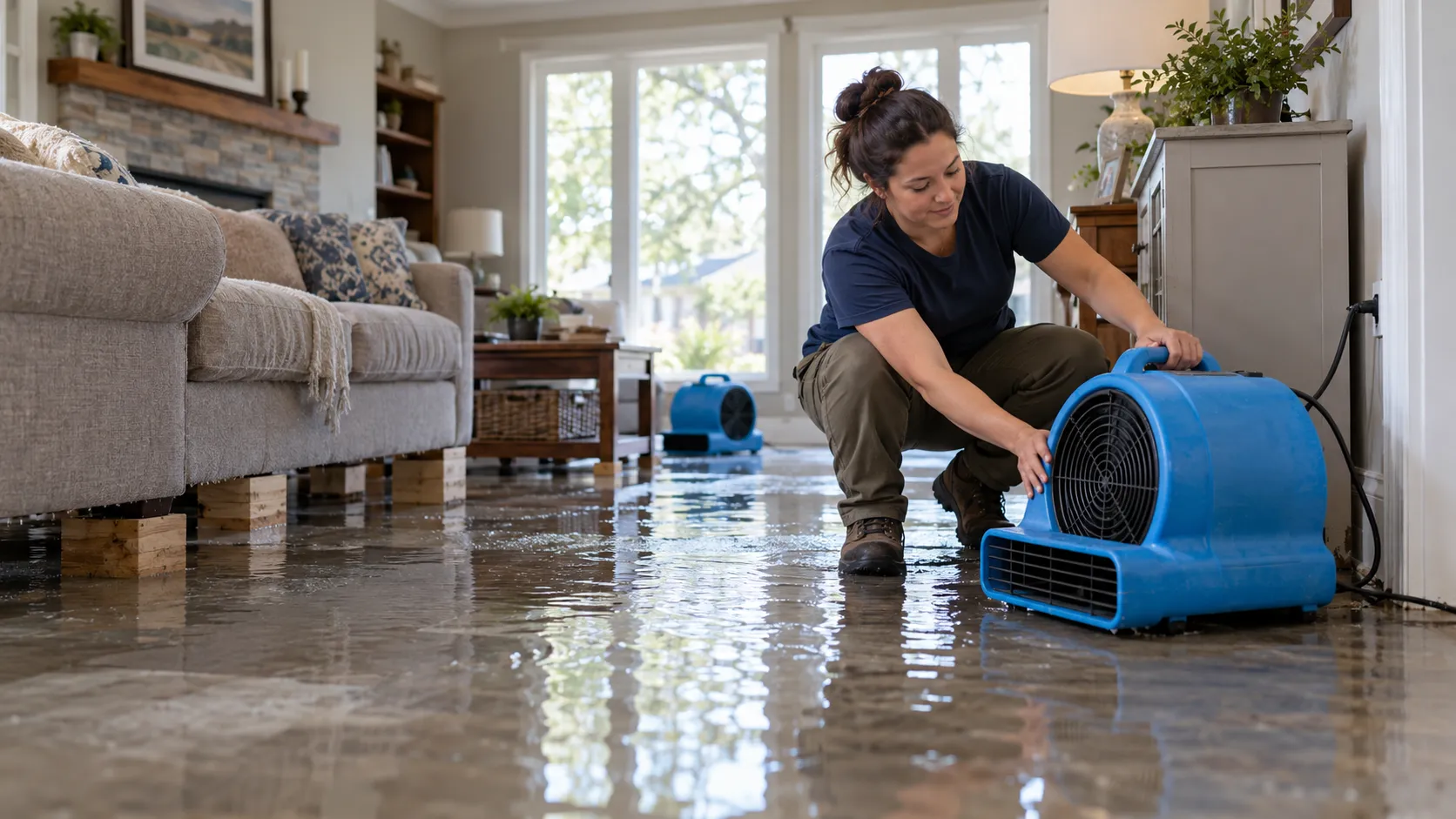
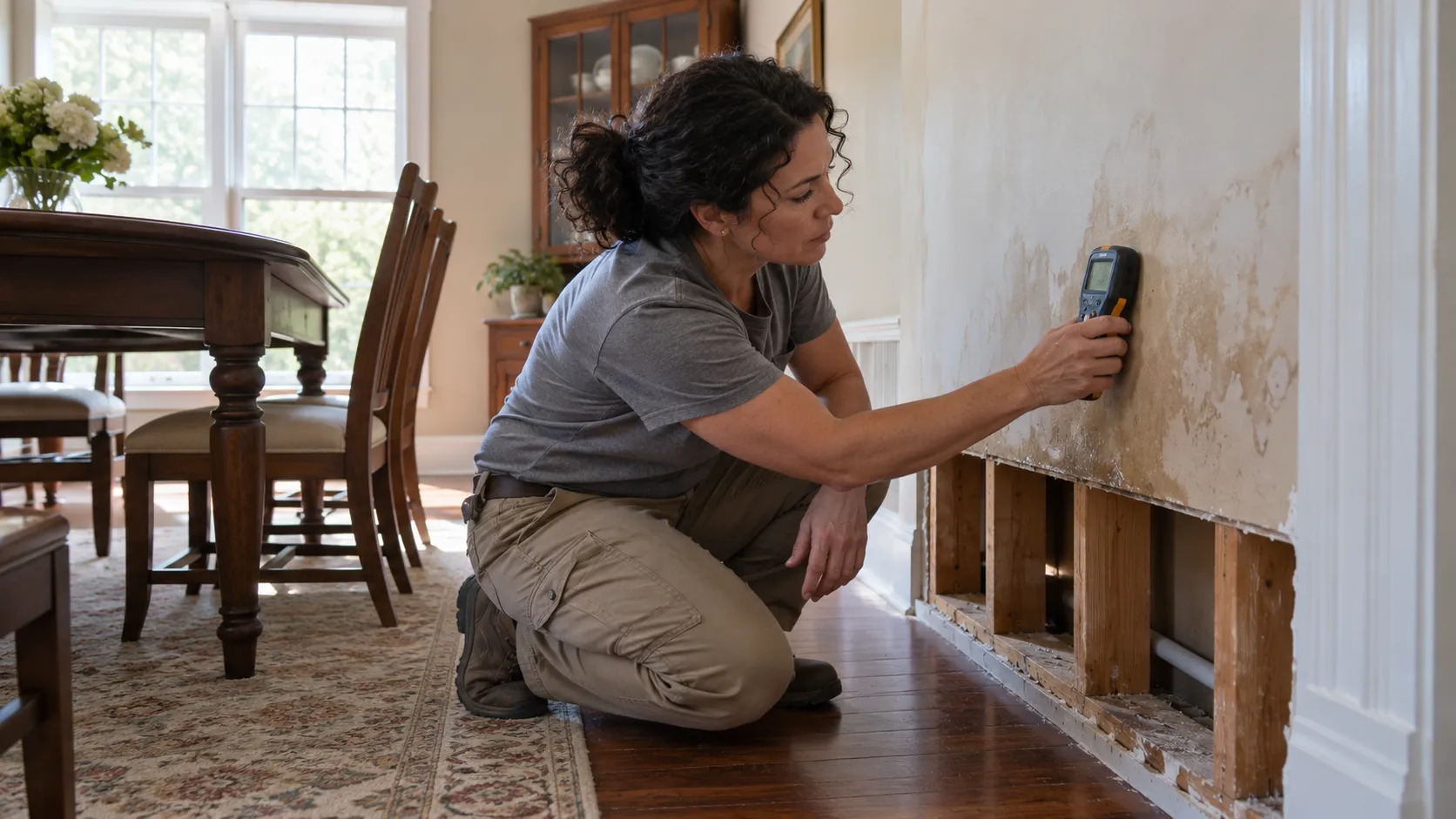 Water Damage RestorationWater in the wrong place is stressful, but a clear plan and the right provider can turn it around.
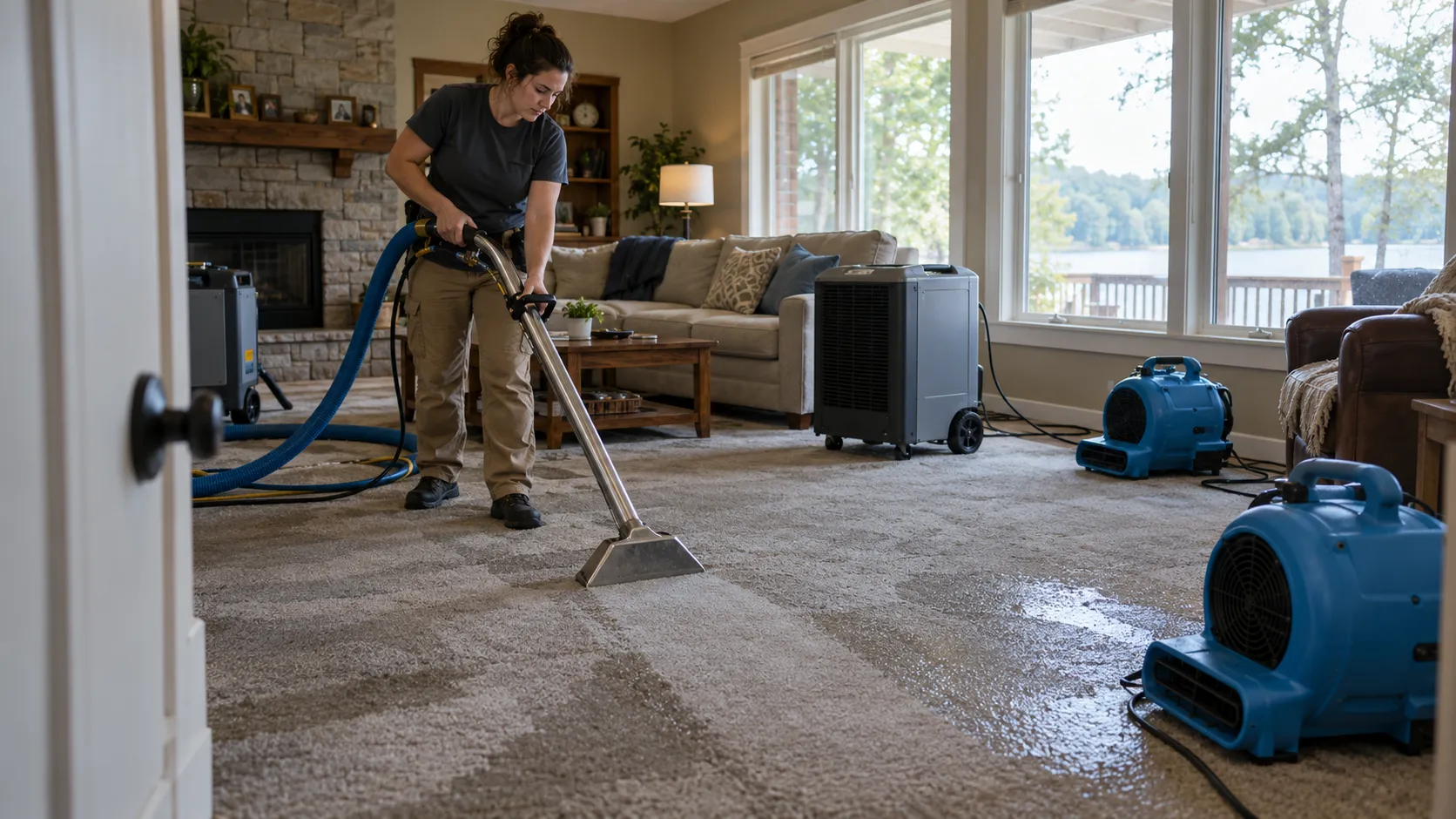 Water Extraction & Structural Drying ServicesWater in the house is stressful, but a local provider can pump it out and dry the structure properly.
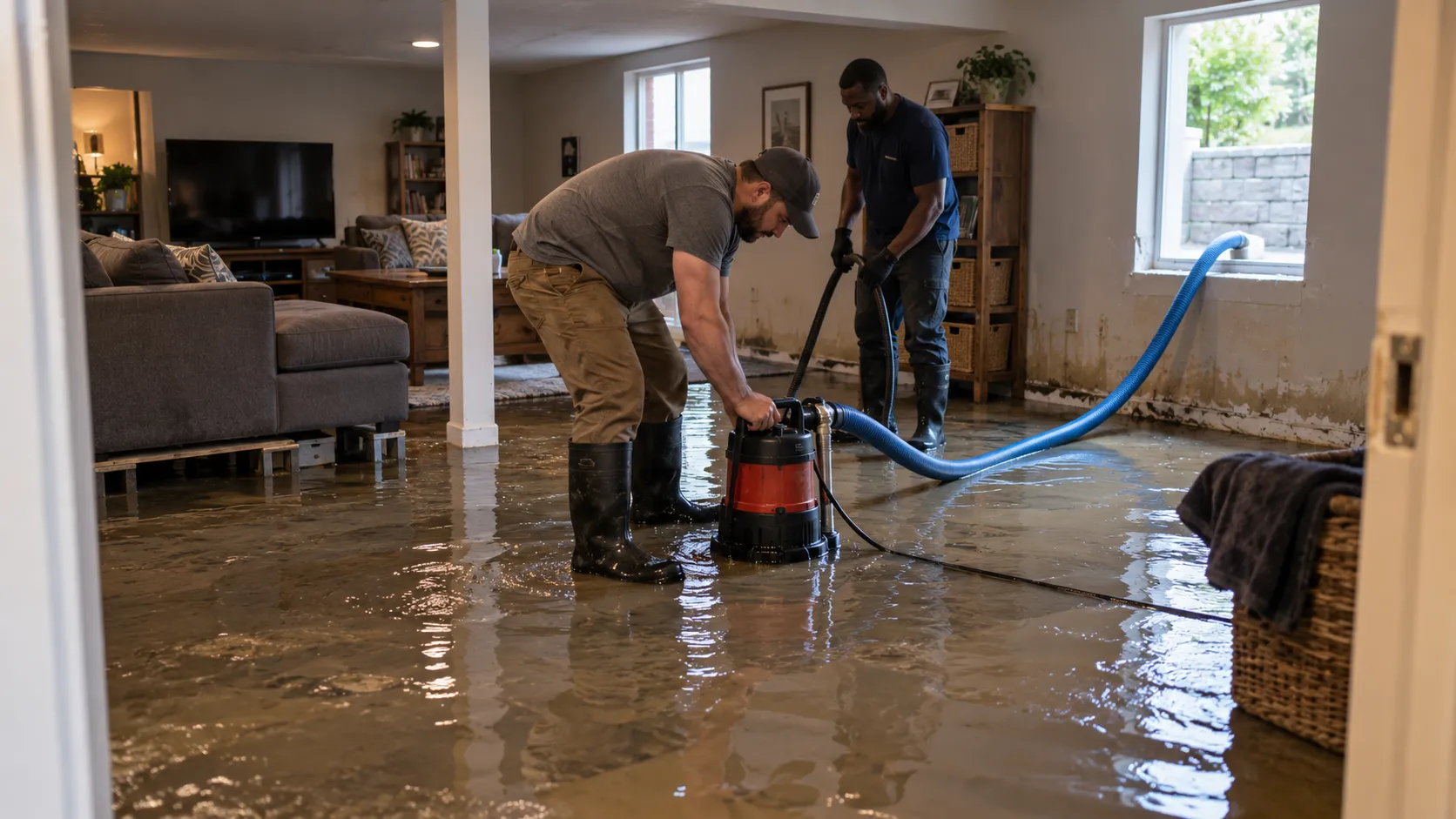 Flooded Basement CleanupWondering who can clear a flooded basement and what it costs? Independent local providers can help you take the next step.