Need water extraction & structural drying services in Philadelphia?
Have a question about water damage? Send a request or write to contact@totallyanswered.living, and we will point you toward a local provider in our network.
No obligation
Request an estimate today
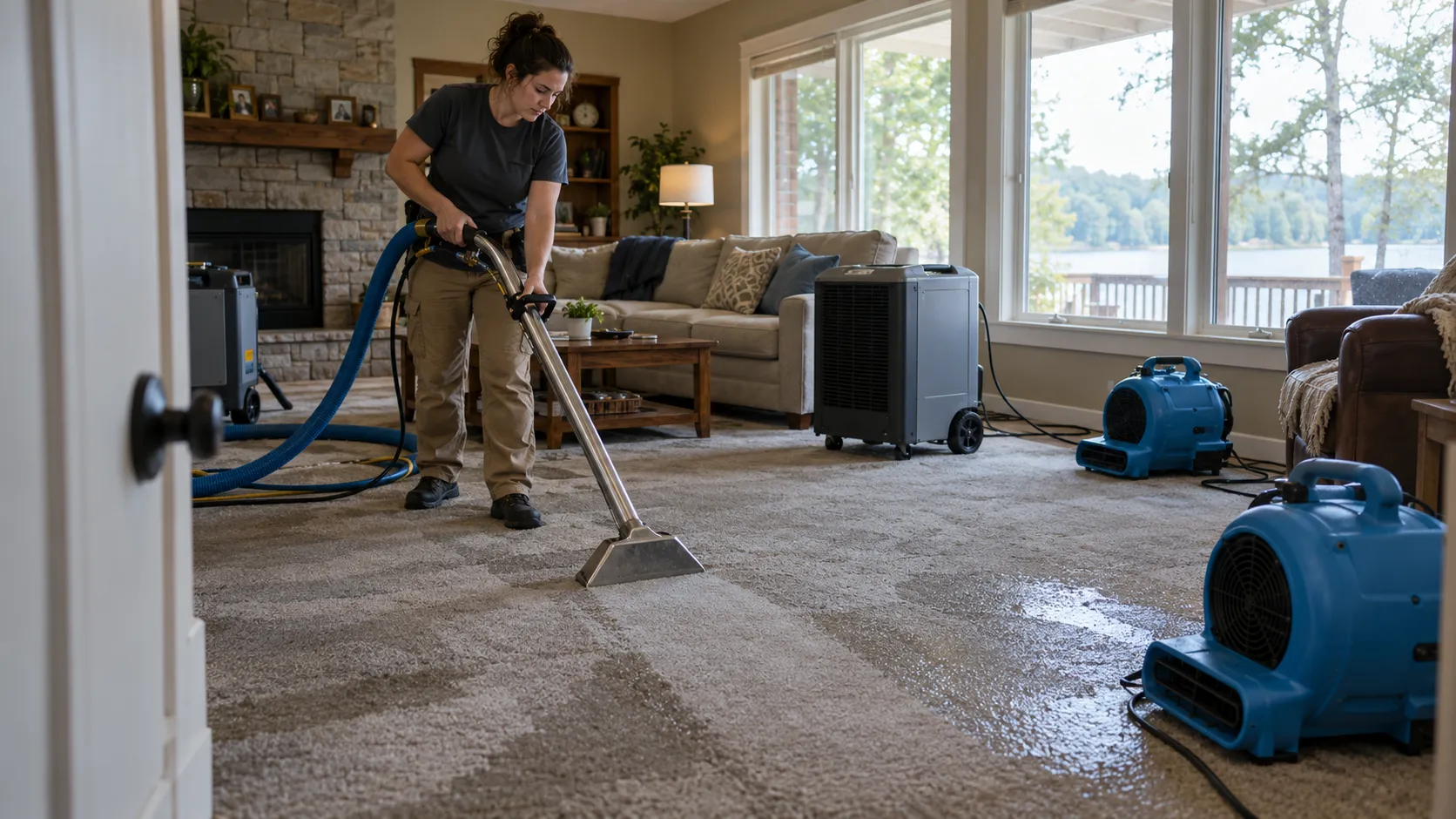
Water extraction is the first job after a leak, burst pipe or flood. A provider uses pumps and strong vacuums to pull standing water out of floors, carpet and low spaces. The sooner the water leaves, the less it can soak into wood, drywall and insulation. That keeps the damage smaller and helps protect your home's value.
Structural drying comes next. Air movers, dehumidifiers and moisture meters work together to dry the framing, subfloors and walls you cannot see. Totallyanswered Restoration is a referral service. It connects you with independent local providers in Philadelphia and the Greater Philadelphia area, and the provider does the work. Request an estimate, ask questions, and get the plan in writing before you agree to anything.
Take a breath. There is a clear path forward. Standing water is the most urgent part of any leak or flood, so it comes first. Water extraction pulls the water out. Structural drying then dries what soaked into the floors, walls and framing.
Totallyanswered Restoration is a referral service. It connects you with independent local providers who do this work. You ask for an estimate, and the provider takes it from there.
Not always. Water and electricity are a risky mix. If outlets, cords or the panel are wet, stay out and ask a licensed electrician or your utility company for help. Wear boots and gloves, and move slowly on slick floors.
Also think about where the water came from. Rain and storm water can carry germs. Water from a sewer line is worse. Tell the provider the source so the right gear shows up.
Because water keeps moving. It wicks up drywall, soaks into wood and slips under flooring. In damp, warm spots, mold can begin to grow within a couple of days. Many providers can respond quickly, and getting the water out sooner keeps the damage smaller and the bill easier to manage.
Providers match the tool to the water. Deeper water gets a pump. Shallow water and wet carpet get a powerful wet vacuum or a truck-mounted extractor. The goal is simple: remove as much liquid as possible before drying begins.
Expect the provider to start with the low spots and work outward, so water does not creep back into rooms that are already clear.
Carpet can sometimes be saved when the water is clean and it is treated quickly. Padding usually cannot. It acts like a sponge, so it is often cut out and replaced. If the water was dirty, the carpet typically goes too. The provider should explain which is which.
Extraction gets the puddles. Drying gets the rest. Providers set air movers to push dry air across wet surfaces. Dehumidifiers pull moisture out of the air so it does not settle back in. Moisture meters check wood, drywall and concrete, so nothing is guessed.
Sometimes the provider drills small holes or removes baseboards to dry wall cavities. That is normal, and it often prevents a bigger repair later.
Ask for readings. A careful provider logs moisture levels at the start and at each visit, then compares them with dry spots elsewhere in your home. Dry means the numbers match normal, not just that a surface feels dry to the touch.
Many jobs run about three to five days, though it varies. Thick framing, concrete, plaster and hardwood dry slower than carpet. Humidity, indoor temperature and the amount of water all change the clock. Ask the provider for an honest range after the first check.
Yes. A cold house dries more slowly, so equipment may run longer. Spring snowmelt can push water through foundation seams, and coastal storms can drive rain into walls. Older homes with stone or block foundations and full basements tend to hold moisture, so providers may plan extra drying time.
Small steps help a lot:
It can. Protect what you own by finishing the job fully. Hidden dampness leads to rot, odor and mold, and buyers and inspectors notice those. Keep the moisture logs, photos and invoices in one folder. They show future buyers the home was handled well.
Some policies may cover sudden damage, so check your policy. Providers can often help document damage for a claim.
Ask, then act. These questions keep you in control:
Quote in writing. The price depends on how much water got in, how large the area is, how many days equipment runs and what must be removed. A written quote lists those items, so there are fewer surprises. If you can, compare two.
Pumps and strong vacuums pull standing water from floors, carpet and low areas before it spreads further.
Meters find damp spots in walls and floors so nothing wet is missed.
Equipment moves dry air across surfaces and pulls moisture from the room until materials reach normal levels.
Providers check and record readings during the job, so you can see the structure drying instead of guessing.
Typical U.S. ranges are below. Your price depends on water amount, area size, materials and how long equipment runs. Always ask for a written quote before work begins.
| Item | Typical range | Notes |
|---|---|---|
| Water extraction (small area) | $300 – $1,000 | Pumping and vacuuming one or two rooms |
| Extraction (large or deep water) | $1,000 – $4,000 | Bigger areas, deeper water, more labor |
| Air mover rental | $25 – $75 per day | Per unit; several are often used |
| Dehumidifier rental | $75 – $150 per day | Per unit; size depends on the space |
| Moisture inspection and mapping | $100 – $500 | Meter readings and a drying plan |
| Wet drywall or padding removal | $1 – $4 per sq. ft. | Only if materials cannot be dried |
Avoid wet electrical areas, stop the water source if safe, and take photos for your records.
Tell us about the water, and we connect you with a local provider.
The provider removes standing water, then places drying equipment and checks moisture levels.
Readings are tracked until the structure reaches normal levels, and the equipment is removed.
Providers in our network are independent businesses that do the work in your area.
Costs and steps are explained simply, so you know what to expect.
Ask providers to put the scope and price in writing before work starts.
Request an estimate with no obligation, and decide at your own pace.
Have a question about water damage? Send a request or write to contact@totallyanswered.living, and we will point you toward a local provider in our network.
Many homes need about three to five days of drying, though it varies. Water amount, humidity, temperature and building materials all matter. Ask the provider for moisture readings so you can see progress.
For a small, clean spill, fans and a wet vacuum can help. With larger leaks, dampness can hide inside walls and floors. A provider's meters find it, which helps prevent mold and rot.
Some policies may cover sudden damage, such as a burst pipe, but not slow leaks or outside flooding. Check your policy and contact your insurer. Providers can often help document damage for a claim.
Have a question about water damage? Send a request or write to contact@totallyanswered.living, and we will point you toward a local provider in our network.
No obligation